


Stop Bullying
Stop Bullying Through Education, Empowerment, and Presence
Bullying is not just a behavior problem—it is often a confidence problem, a connection problem, or a coping problem. Many students who bully or are bullied are struggling with insecurity, isolation, peer pressure, or a lack of guidance on how to handle conflict. That is why prevention must go beyond discipline policies and awareness campaigns. It requires consistent education, positive role models, and practical tools that help young people respond to challenges in healthy, responsible ways. At Vertical Response Ministry, our focus is to address the root causes of bullying by building confidence, strengthening character, and creating safe environments where students can grow.
Education is the foundation of prevention. When students clearly understand what bullying is, how it affects others, and what their responsibilities are within a school community, behavior begins to change. Our programs emphasize respect, accountability, empathy, and personal responsibility. We help students recognize the difference between conflict and bullying, understand the power of their words and actions, and learn how small decisions can have lasting consequences. These conversations are practical, direct, and age-appropriate, helping students connect lessons to real-life situations they face every day.
Empowerment is the next step. Students who feel confident and capable are less likely to be targeted and more likely to make positive decisions under pressure. Through structured instruction, mentoring, and skill-building activities, we teach young people how to manage emotions, communicate effectively, and stand up for themselves and others in safe, responsible ways. Empowerment also means helping students understand their value and potential. When young people develop self-respect and self-control, they are better equipped to handle peer pressure, avoid risky behavior, and build healthy relationships.
School assemblies play an important role in setting the tone for a safe and respectful campus culture. Large-group presentations allow schools to deliver a unified message that bullying is unacceptable and that every student has a responsibility to contribute to a positive environment. Our assemblies are engaging, relatable, and grounded in real-world experience. They focus on building awareness, encouraging accountability, and reinforcing the importance of kindness, respect, and courage. Students leave with a clear understanding that their actions matter and that they have the power to make their school a safer place.
Classroom visits provide an opportunity for deeper conversation and meaningful connection. In smaller settings, students are more comfortable asking questions, sharing concerns, and discussing situations they may be facing. These sessions allow us to address specific challenges within a class or grade level, reinforce positive behavior, and provide guidance on conflict resolution and communication. Classroom visits also help identify students who may be struggling quietly, allowing educators and mentors to step in early and provide support before problems escalate.
A strong anti-bullying strategy also requires presence. When positive adults consistently show up—whether in schools, community programs, or mentoring environments—students begin to feel supported and valued. That presence builds trust, and trust creates the foundation for real change. Young people are far more likely to listen, learn, and grow when they know someone genuinely cares about their well-being. This is why our programs emphasize ongoing engagement rather than one-time presentations. Consistency is what turns lessons into habits and habits into lasting character.
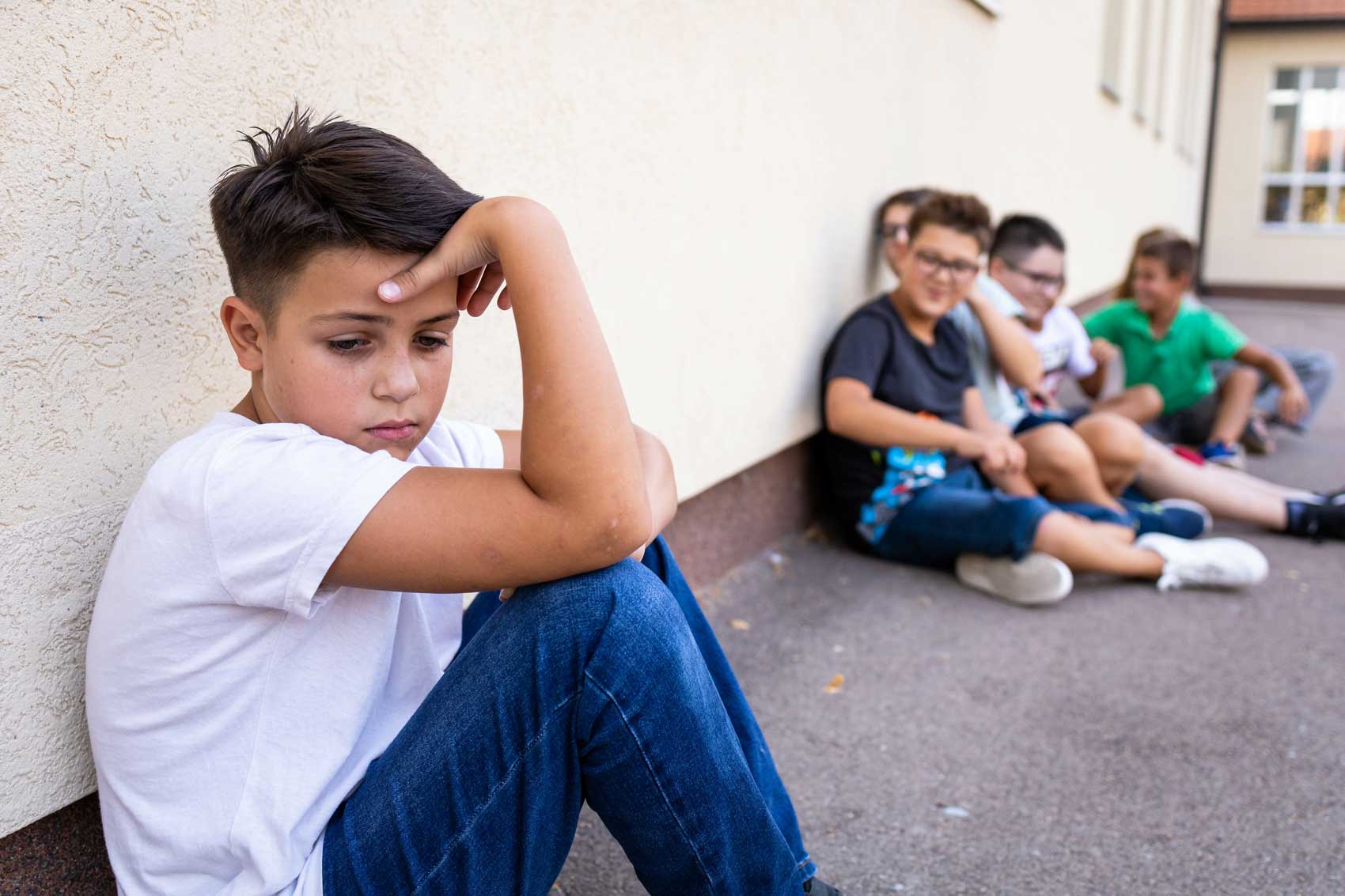
Our work also focuses on students who may feel isolated, disconnected, or unsure of where they belong. Isolation is one of the strongest predictors of bullying involvement, either as a target or as a participant. By creating opportunities for connection—through mentoring, structured activities, and positive peer interaction—we help students build friendships, confidence, and a sense of belonging. When young people feel connected to a supportive community, they are less likely to engage in harmful behavior and more likely to look out for one another.
Preventing bullying is not about punishment alone. It is about education, empowerment, and consistent support. It is about teaching young people how to make better decisions, manage emotions, and treat others with respect. Most importantly, it is about building stronger individuals who understand their worth and take responsibility for their actions. When schools, families, and community organizations work together, bullying can be reduced, safety can be improved, and students can focus on learning, growing, and reaching their full potential.