



Become a volunteer
Thank you for your interest in supporting our mission
We are currently working on establishing our on-line donation portal. Please contact us with questions.
Ways you can support our mission
A VRM Community Partner is a business, organization, or individual who supports the mission of Vertical Response Ministry by contributing time, resources, or financial support to help strengthen youth, families, and communities.
It’s not just about donations, it’s about standing alongside the mission to build safer, stronger communities through mentorship, education and connection.
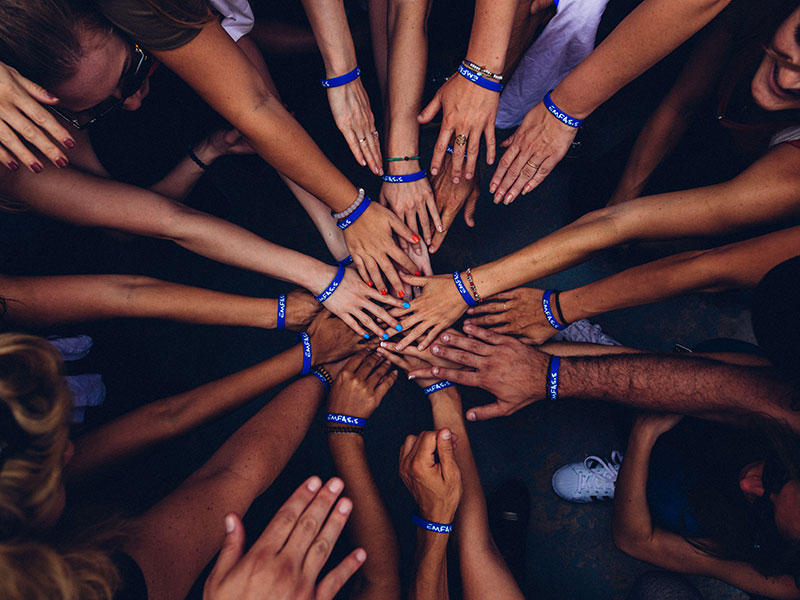
Our Community Partners believe in the idea that many hands make a brighter future and takes a practical role in helping the mission succeed. Community partners help create the environment where programs like Victory Requires More can reach more people.
- They are partners in impact.
- They help turn vision into action.
- They help change lives.
Community partnerships create stability and sustainability for programs that change lives. When businesses and organizations work together, the impact multiplies.
Yes, we do offer business sponsorship opportunities, and we are currently working on finalizing the details.
We believe strong communities are built when local businesses and organizations come together to support programs that make a real difference. Sponsorship opportunities will provide businesses with a meaningful way to invest in youth development, mentorship, anti-bullying education, and community wellness initiatives through the programs of Vertical Response Ministry and Victory Requires More. These partnerships are designed to be mutually beneficial—helping businesses demonstrate community leadership while directly supporting efforts that build confidence, discipline, resilience, and safer communities.
As we finalize our sponsorship packages, options will include flexible levels of involvement such as program support, event partnerships, scholarship sponsorships, and community outreach initiatives. Our goal is to create opportunities that are accessible to businesses of all sizes—from small local shops to larger organizations—so everyone can play a role in strengthening the community. More details will be released soon, and we look forward to partnering with businesses that share our commitment to making a lasting impact.
Yes, you can earmark monetary donations, but there are some important rules to follow, especially for a 501(c)(3) nonprofit like Vertical Response Ministry. The key principle is that donations can be designated or restricted, but the final control must remain with the organization.
Here’s how it works in practical terms.
This is the most common and safest approach.
Donors can specify that their gift be used for a particular program, location, or need, such as:
- Youth scholarships
- Bully-proofing and self-defense programs
- Women’s programs
- Equipment or uniforms
- A specific community (Williams, Flagstaff, Page, etc.)
- General operations
Example language:
- “This donation is designated for youth scholarships.”
- “Please apply this gift to the Victory Requires More program.”
- “Use this donation to support the Williams youth program.”
Bottom line. Donations can be earmarked for a purpose, but not guaranteed to a specific person.
A business can be a community partner without being a financial sponsor by simply choosing to stand alongside the mission and support the our program in practical ways. Partnership is not defined only by writing a check, it is defined by participation, visibility, and a willingness to help create safe, positive opportunities for youth and families. When local businesses show up, share their resources, and use their influence to support programs that build confidence, discipline, and connection, they become an important part of the solution.
There are many ways a business can partner without providing direct funding. A company might help promote community programs through social media or in-store displays, volunteer at events, or provide goods and services that support families in need. These contributions reduce barriers, strengthen relationships, and help programs operate more effectively. Often, these types of support are just as valuable as financial sponsorship.
Community partnership is about shared responsibility and community pride. When businesses contribute their time, skills, space, or voice, they help create a stronger, safer environment for everyone. In communities like those you serve through Vertical Response Ministry and the Victory Requires More program, partnerships send a clear message: we are invested in our youth, we believe in their future, and we are willing to work together to help them succeed.
1) Host a Monthly Give-Back Day
A simple and popular way for businesses to partner is by dedicating a portion of their sales to support the mission monthly.
Examples:
- A restaurant donates 10% of sales on a selected day each month.
- A coffee shop hosts a “Community Day” where proceeds support youth scholarships.
2) Provide In-Kind Donations or Services
Not every partnership requires money. Many organizations have resources, skills, or services that can directly support programs.
Examples:
- A print shop provides discounted flyers, banners, or event t-shirt.
- A restaurant donates snacks or meals for events.
- A store offer products or services for a raffle.
- A business offers their space to host an event.
- Community members help supervise events or mentor participants.
- A school offers a gym for events or assemblies.
3) Sponsor a Specific Need or Program Element
Partners can support a clearly defined piece of the mission rather than a general donation.
Examples:
- Fund one student’s scholarship for 4 to 12-month term.
- Provide uniforms, gear, or equipment for participants.
4) Partnership can also mean using your voice and network to help expand awareness.
Examples:
- Display VRM brochures or posters in a business location.
- Share program updates on social media.
- Introduce VRM to other businesses or community leaders.
- Help recruit other businesses.
5) Partnership can be visible, collaborative, and community-building.
Examples:
- Co-host a community safety or self-defense seminar.
- Participate in local fairs, school events, or outreach days.
- Organize a joint fundraiser or awareness campaign.
Mauris in aliquam sem fringilla ut morbi tincidunt augue interdum. Pharetra et ultrices neque ornare aenean euismod elementum nisi quis. Arcu cursus euismod quis viverra nibh cras pulvinar mattis.
Massa sapien faucibus et molestie ac. Ridiculus mus mauris vitae ultricies leo integer. Amet luctus venenatis lectus magna fringilla.